Interesting Facts About Ruby
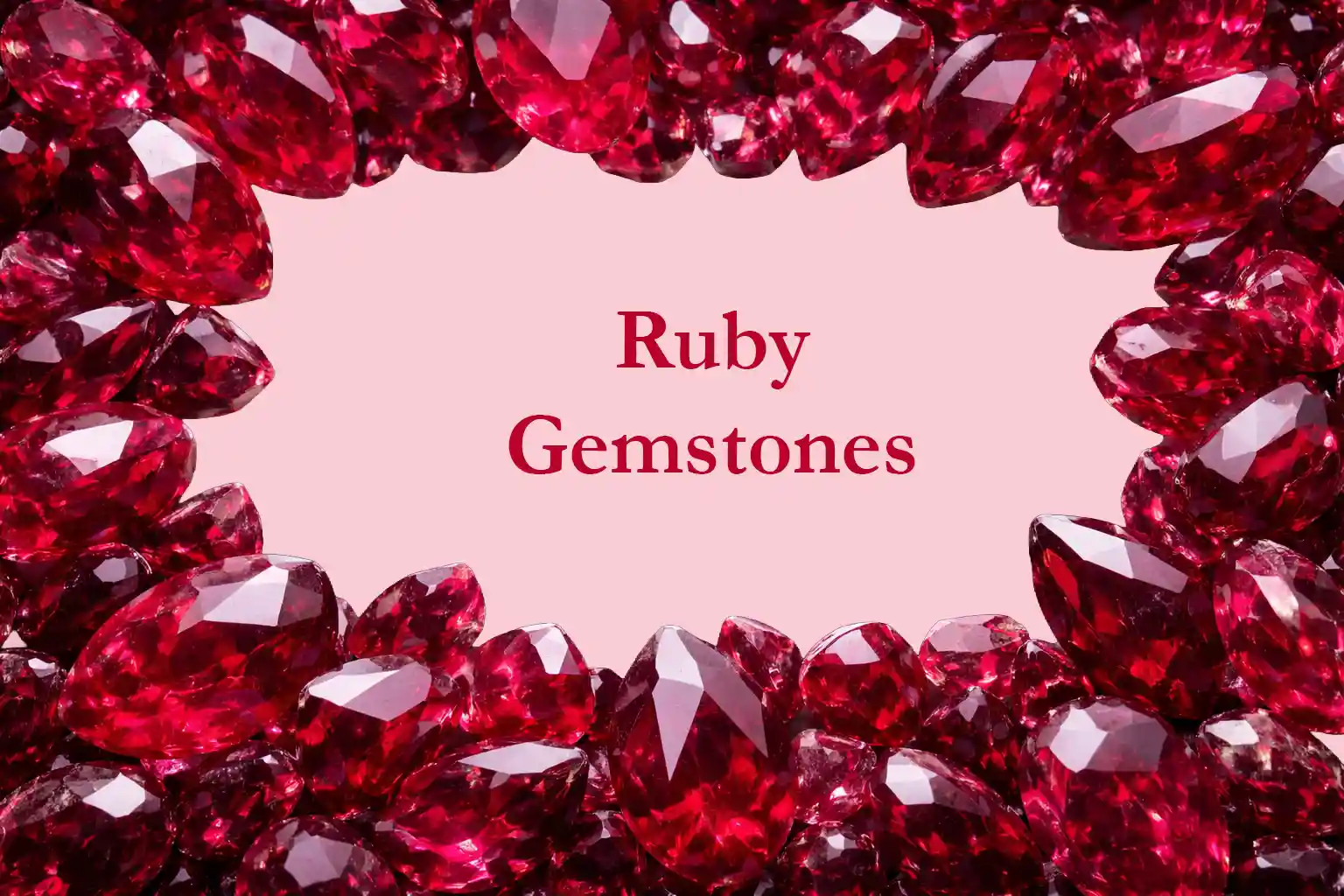
Did you know Pigeon Blood rubies are exceptionally rare that the term was coined based on a Burmese legend01? According to the Burmese legend, the gemstone’s color matches the blood from a pigeon’s nose or the intensity of the pigeon’s eye02. Pigeon Blood rubies must exhibit a pure, vivid red with a subtle blue undertone, which creates a glowing effect under UV light03.
Want more amazing facts? – Visit here
Where Ruby Comes From
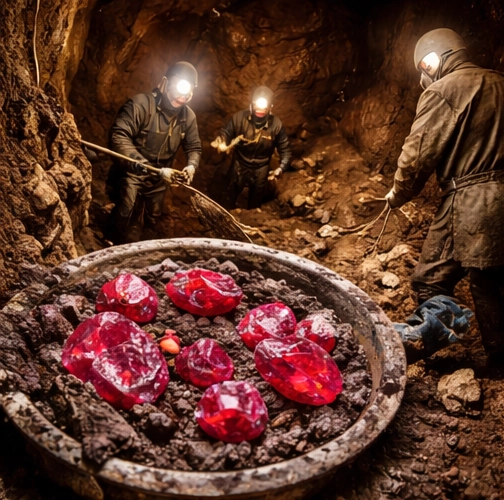
Pigeon Blood rubies are known to be the rarest variety of corundum. They are formed over 50 million years ago during the massive tectonic collision that created the Himalayas04. The red hues of the gemstone is attributed to the high concentration of chromium and low amount of iron. The chemical combination of the elements allow the stone to emit its own light with exposed to the UV rays in natural sunlight05.
The name “Pigeon Blood” refers to the first two drops of blood from a freshly killed pigeon according to Burmese folklore06. This exhibits a pure, vivid red with a soft, bluish undertone. These gemstones are known for their “inner fire”, which appear like glowing coals even in low light07.
The Mogok Valley in Myanmar is the world’s most legendary source for the Pigeon Blood rubies. This location is often called the “Valley of Rubies”08. Other Pigeon Blood stones are also found in other countries such as Vietnam and Mozambique09. Nonetheless, Burmese rubies still remain as the global standard for investment when it comes to Pigeon Blood rubies.
How Ruby are Processed
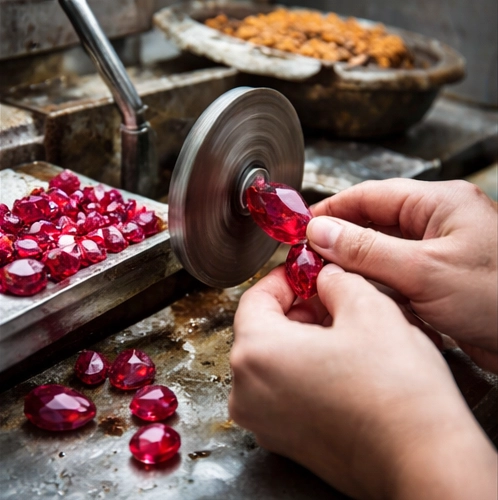
In terms of its processes, the Pigeon Blood ruby is handled with high-precision. The techniques employed are aimed to maximize its red fluorescence. Cutting must also be done with care as the gemstones are dichroic, which shows two different colors from different angles. The “table” or top facet must be oriented perpendicular to the crystal’s long axis in order to make sure that the purest red is evident10. The gemstones are cut into cushion or oval mixed-cuts in order to preserve the maximum “rough” weight.
Why It Is Expensive and How Rare It Is
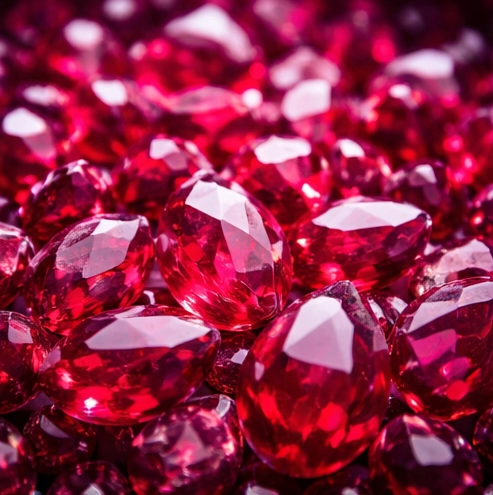
Pigeon Blood rubies are expensive because it comprises less than 1% of all rubies. The rarity of this gemstone is tied to a geological “goldilocks” zone. This means that they require high chromium for its vivid red color, but almost no iron is traced. Iron, in this case, dampens the stone’s natural glow. Moreover, Pigeon Blood rubies’ rarity is also attributed to is finite supply due to the declination in Burmese production11.
Famous Jewelry Made from Emerald Gemstones
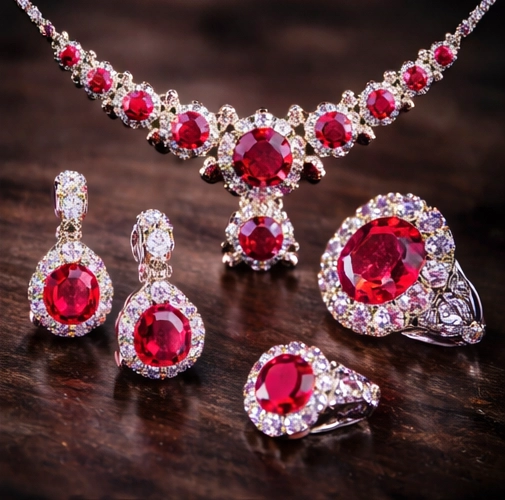
Pigeon Blood ruby jewelries are often featured with legendary Burmese stones in high-value, bespoke settings. Some notable jewelry pieces include:
- The Sunrise Ruby Ring – It is a 25.59-carat cushion-cut Cartier masterpiece. It holds the world record for being the most expensive ruby with its value at around $30.42 million12
- The Crimson Flame – It is a 15.04-carat cushion-cut ruby set within a diamond ring. It is famous for its near-flawless transparency and vivid saturation13
- The Graff Ruby – It is an 8.62-carat unheated gem set with a signature Graff mountying with triangular diamond shoulders14
Ruby’s Market Value (Price per Carat)
Pigeon Blood ruby prices are differentiated based on their origin and size. As for commercial-grade stones, the prices range start at $10,000 per carat15. As for fine Burmese gemstones, the prices range form $50,000 to $100,00015. As for unheated, investment-grade rubies over 5 carats, it has the exceptional price skyrocketing from $300,000 to $1,000,000 per carat. This outperforms diamonds in terms of value-per-weight15.