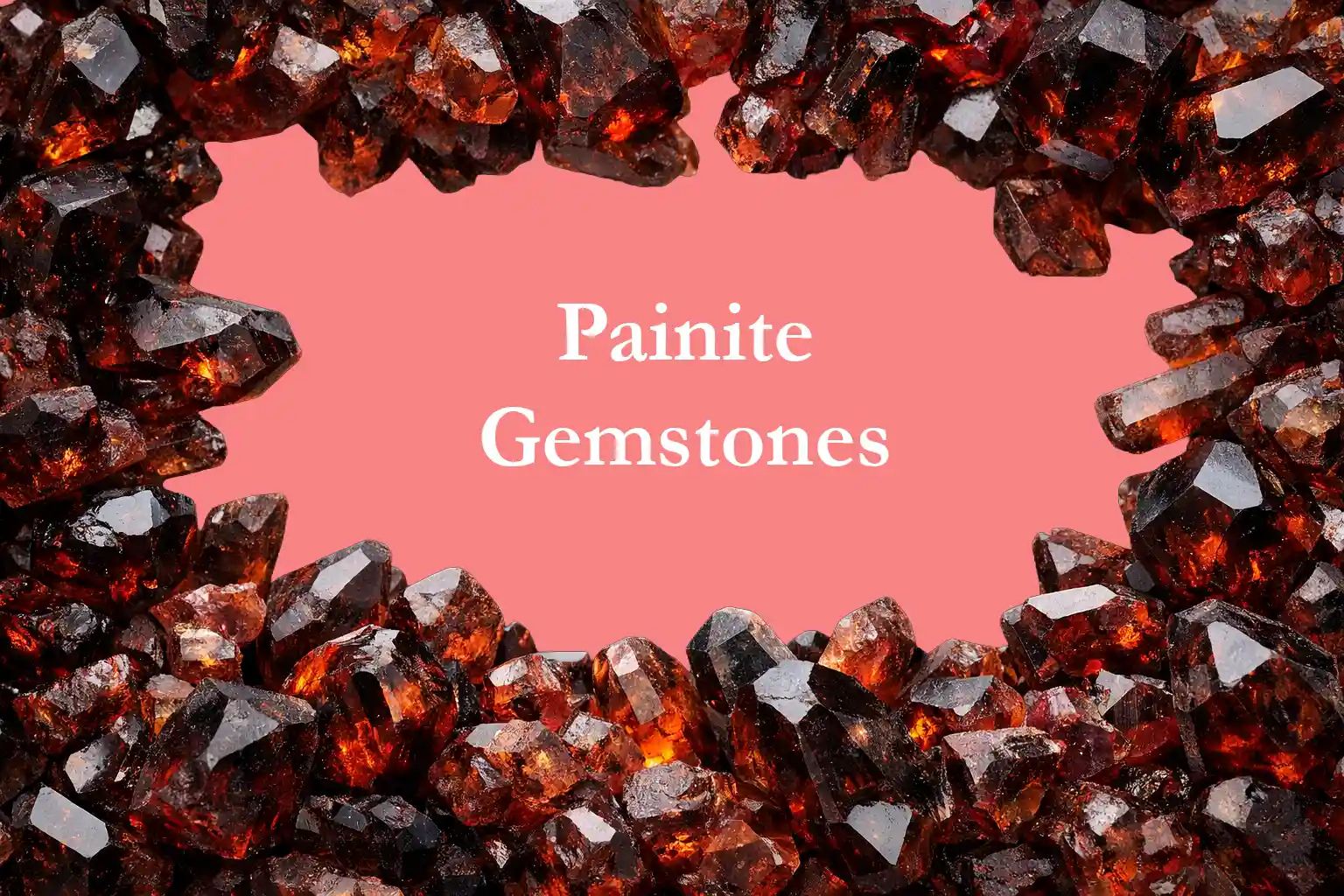
Interesting Facts About Painite
Did you know Painite was once considered as the rarest mineral in Earth? Only three specimens of this specimen was found after its discovery in 1951 in Myanmar1. It is a unique borosilicate formed from the combination of boron and zirconium. It is considered as a “geological anomaly” due to the rare bonding of the two aforementioned elements, which seldom combine together in high concentrations2.
Want more amazing facts? – Visit here
Where Painite Comes From
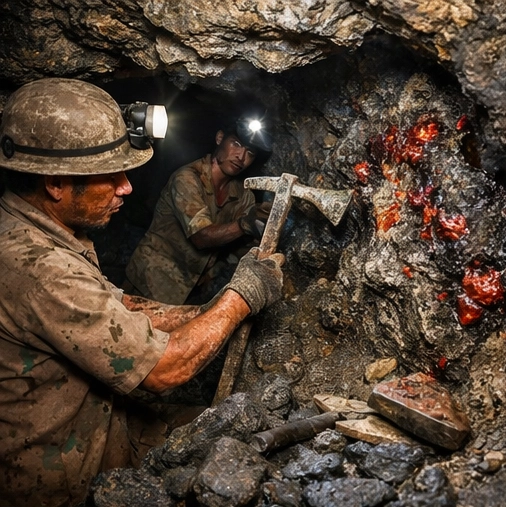
Painite was once recognized by the Guinness World Records as the rarest mineral on Earth3. It was discovered by British gemologist Arthur C.D. Pain in the Morok region in Myanmar in 1951. The name “Painite” originated after Pain, the gemologist who discovered the mineral. Until 2001, there are only three specimens confirmed to exist. The gemologist mistakenly identified the mineral as rubies. Upon his donation to the British Museum of National History in London, scientists have confirmed the mineral as a completely new species3.
This borate mineral was known for its deep brownish-red to orange-red colors. The hue is a result of trace amounts of vanadium and chromium4. It has a hexagonal crystal system, which forms elongated prisms. It also has a “pleochrism” characteristic, where it has the ability to shift colors, from ruby red to pale orange-brown5.
Myanmar remains as its only source. All confirmed specimens are from the Mogok Valley and Kichin State in Myanmar6. However, there are reports where minor sightings of Painite also exist in Madagascar7.
How Painites are Processed
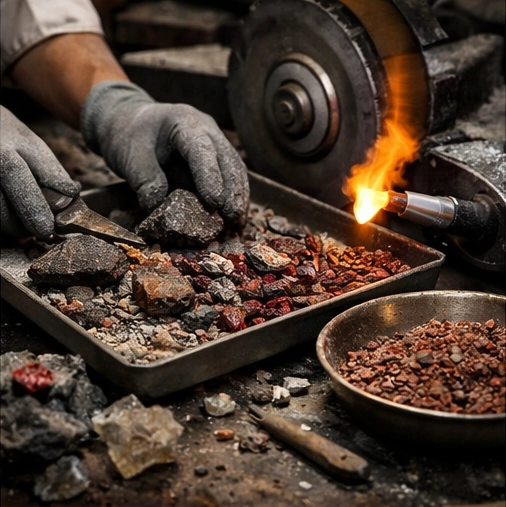
The mineral is primarily processed through traditional lapidary techniques. It needs diamond-impregnated saws and laps for shaping due to its remarkably hard structure. Its extreme rarity, however, makes the found specimens in tact with its rough structure for scientific study8. Currently, there are no commercially available lab-grown painite.
How Expensive and Rare Painites Are
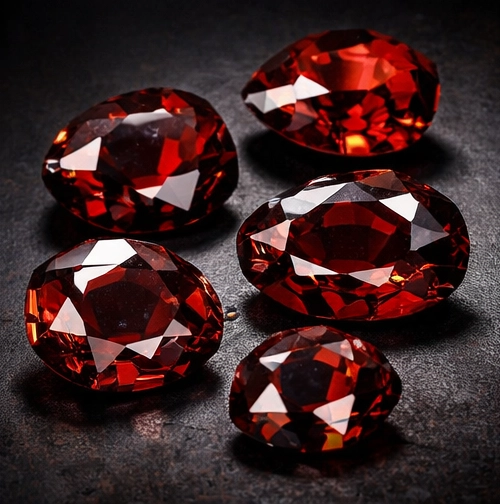
Painite is framed as a “geological anomaly”. This anomaly springs from the rare combination of the elements in high concentrations. This geological coincidence, therefore, causes Painite’s expensiveness and rarity. Only three specimens were ever known to exist for 50 years upon its discovery. Gem-quality material still remains difficult to find at present.
Famous Jewelry Made from Painite Gemstones
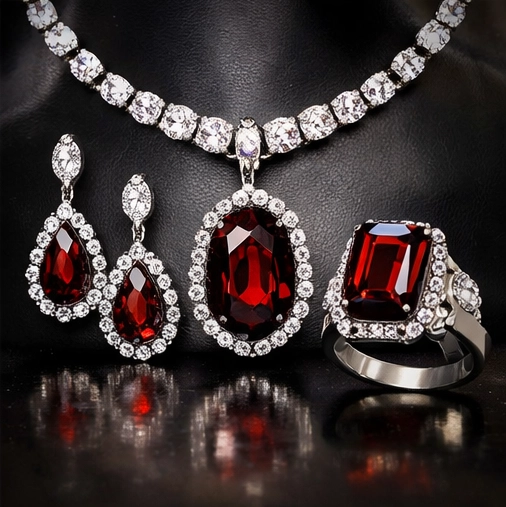
Due to its rarity, Painite is placed in museum exhibits.
- Biristih Museum of National History – The Painite discovered by Arthur C.D. Pain is this museum9. The two specimens, Painite #1 and Painite #2, are in public display.
- Gemological Institute of America (GIA) – The third specimen of Painite is in America as part of its collection. The specimen is utilized for study in America10.
Painite’s Market Value (Price per Carat)
The rarity of Painite makes it one of the most expensive and elusive gems for investors. Its market is divided into two distinct tiers. For gem-quality specimens, which pertain to fine, transparent, and precisely faceted Painites, range from $50,000 to $60,000 per carat11. The commercial or collector grade specimens range from $100 to $2,000 per carat11. This refers to the smaller, lower-quality, and opaque specimens.