Interesting Facts About Musgravite
Did you know Musgravite is one of the rarest gemstones in the world? It is so rare that only 8 quality gemstones were known to exist for decades1. It is known as a “collector’s ghost” which emits colors in subtle shades of grey-green to purple. It is related, particularly a chemical sibling to another rare gemstone, Taffeite2. With this, Musgravite is also known as “magnesiotaaffeite-6N’3S,” sometimes simplified to “magnesiotaaffeite.”
Want more amazing facts? – Visit here
Where Musgravite Comes From
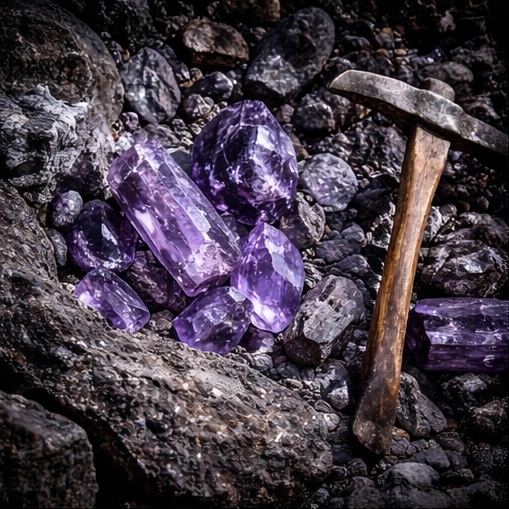
In terms of Musgravite’s origin, it was first discovered in the Musgrave Ranges of Australia in 1967. The gemstone was identified as a relative of the taffeite mineral family3.
Musgravite is a magnesium-rich beryllium oxide. It usually emits hues of olive greens, deep violets, or grayish-purples4. Chemically and optically speaking, musgravite is nearly identical to taffeite. It is considered a “ghost” stone as the distinction of musgravite from taffeite can only be definitively identified through advanced Raman spectroscopy. The distinction is made through the detection of specific iron and magnesium concentrations5.
The gemstone is scarce. Its major mining site is located in Australia. However, small quantities of Musgravite are also evident in Greenland, Tanzania, Sri Lanka, and even Madagascar6.
How Musgravite are Processed
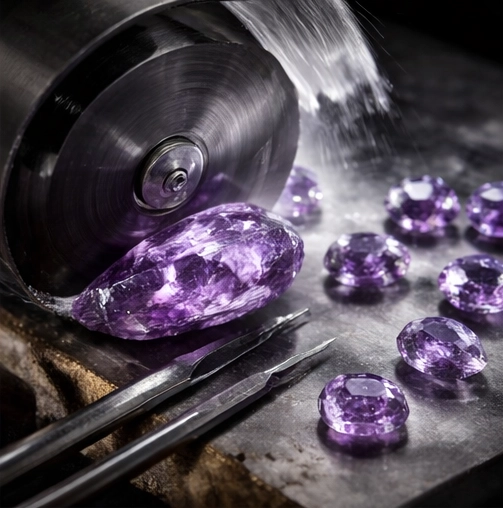
Musgravite is processed through extreme caution and scientific precision because of the gemstone’s store value and rarity. The first step of processing Musgravite is rigorous forensic identification since it is highly identical to taffeite. More specifically, gemologists use Raman spectroscopy, which is a laser-based analysis, to confirm the stone’s magnesium levels. It then confirms whether the gemstone is musgravite or taffeite6.
Upon authentication, the rough Musgravite undergoes cutting using diamond-tipped tools. Musgravite is never treated with chemicals or heat. Its value often resides in its unenhanced, natural state7.
How Expensive and Rare Musgravites Are
Out of all the gemstones in the world, Musgravite is one of the rarest. The rarity of this gemstone requires the precise, near-impossible mixture of elements beryllium, magnesium, and aluminum to form8. After its discovery in 1967, only 8 natural gemstones were found. With such rarity, this elevates the gemstone’s price in the market.
Famous Jewelry Made from Musgravite Gemstones
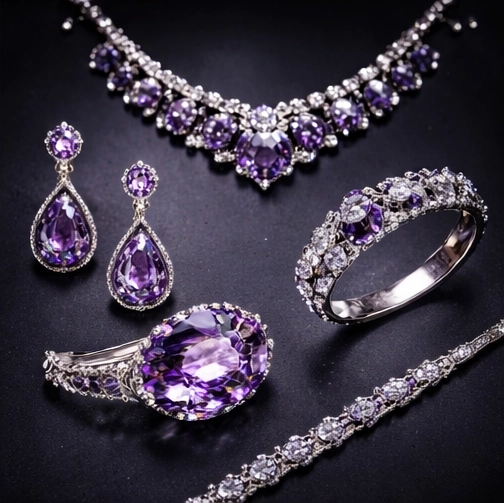
Musgravite jewelries are rare. Examples of Musgravite jewelry pieces are:
- Bespoke Solitaire Rings – Most faceted musgravites are turned into rings. The ring is flanked by diamonds to highlight the stone’s subtle olive-green or grayish-purple hue9
- The “Ophir Musgravite” Pendant – This is a 214-carat pendant made from Musgravite, which is the largest cut from this gemstone. It is included in the Ophir Collection based in Delaware10
Musgravite’s Market Value (Price per Carat)
The extreme scarcity of musgravite heightens the value of the gemstone in the market. The price ranges from $30,000 to $40,000 per carat for high-quality musgravite stones11.